Search This Blog

Tuesday, February 27, 2018

Four Plymouth Rock Breeds in store NOW


Plymouth Rock Breeds

In the world of “Rock” breeds we have four Rocks in our brooder right now (Feb. 27, 2018). The most common of the rock breeds is the Barred Rock. We also have White Rock, Columbian Rock Cross and Partridge Rock. But all Rock breeds fall under the Plymouth Rock breed.

Description: Image result

BARRED ROCK

Description: Related image

WHITE ROCK

Description: Image result for partridge rock chicken

PARTRIDGE ROCK

Description: Image result for columbian rock chicken

COLUMBIAN ROCK CROSS


About the Breed

Barred Rock  the first of the rock breeds. They're a cold hardy breed that is ideal for small individual farms. They're also a favorite of small backyard flock owners since they double up as great pets too. Their name comes from the odd greyish rock pattern of their feathers. It's eerily similar to rocks with a barred white pattern. This chicken breed is sometimes also referred to as Plymouth Rock. However, it's better to not confuse these two as the name "Plymouth rock" refers to its extended family and not just the barred rock variety by itself. Now let's get to know a little more about this unique breed of chicken.

It was first introduced as a breed in England in 1869 following a long process of cross breeding that involved Dominiques, Cochin, Black Javas and probably a couple of other exotic chicken breeds like the Malay and Dorkings.

All varieties of Plymouth Rocks were produced by crossing the Barred rock breed with other chicken breeds. The Barred Rock is the first and oldest member of the Plymouth Rock family. This chicken breed carries a combination of some of the best farm chicken qualities like docility, hardiness and broodiness. The Rock chicken is also excellent at producing meat and large brown eggs and is renowned for being a very docile bird that doesn't create much of a ruckus like other chicken breeds do.

 By nature, Barred Rocks live quite long. Though they are prized for their egg laying abilities, they also make excellent meat. The hens usually weigh about 6 pounds, while the cock weighs about 7 to 8.5 pounds. This is a dual purpose bird and is usually either a good layer or a great source of meat. The trademark feature of the barred rock is its bright red face and red earlobes. A single comb of average size marks their crown and their beaks are tipped bright yellow. This breed is usually known for its excellent temperament and docility. They are friendly birds that get along really well with people.

Tuesday, February 20, 2018

What happened to Antibiotics for Chicks?

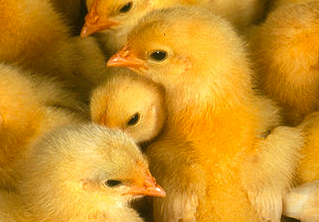
Image result for chicks


Last year we sold our last package of Tetracycline for chicks. We are no longer able to purchase it.  Chicken people that have used it in the past, have asked for it this year. We do offer the Purina Start & Grow that has Amprolium 0.0125%. This additive is used as an aide to prevent coccidiosis where immunity to coccidiosis is not desired. It is suggested if you need antibiotics for your chicks that you visit your local Veterinarian.  

WHO Asks Farms to Stop Using Antibiotics in Healthy Livestock

Since the therapeutic benefits of penicillin were first identified in the early 20th century, antibiotic treatments have quite literally revolutionized modern medicine. But despite their many benefits, there are public health risks associated with the unregulated use of antibiotics as well. These days, antibiotics aren’t just used to treat existing illnesses; they’re used to prevent them as well. This practice is particularly common in factory farms, where livestock is routinely treated with antibiotics regardless of whether or not the animals are sick.
In recent years, health officials have raised concerns that the unmitigated use of antibiotics could contribute to the growth of antibiotic-resistant bacteria that cause untreatable (and in some cases deadly) illnesses such as MRSA infections. With these concerns in mind, the World Health Organization (WHO) has issued a statement urging farmers to stop using antibiotics for disease prevention in healthy livestock.
According to the agency’s statement, The WHO “strongly recommends an overall reduction in the use of all classes of medically important antibiotics in food-producing animals, including complete restriction of these antibiotics for growth promotion and disease prevention without diagnosis.”
In fact, a number of major poultry producers such as Tyson and Perdue Farms have already promised consumers that they will reduce or eliminate their use of antibiotics in healthy livestock. Now, following this stark warning from the WHO, more livestock producers may be inclined to follow suit as well.
Of course, if you really want to make sure the food on your dinner table isn’t treated with antibiotics, you can always raise your own backyard chickens at home!